

House Flipping Project Management: Rehab Control
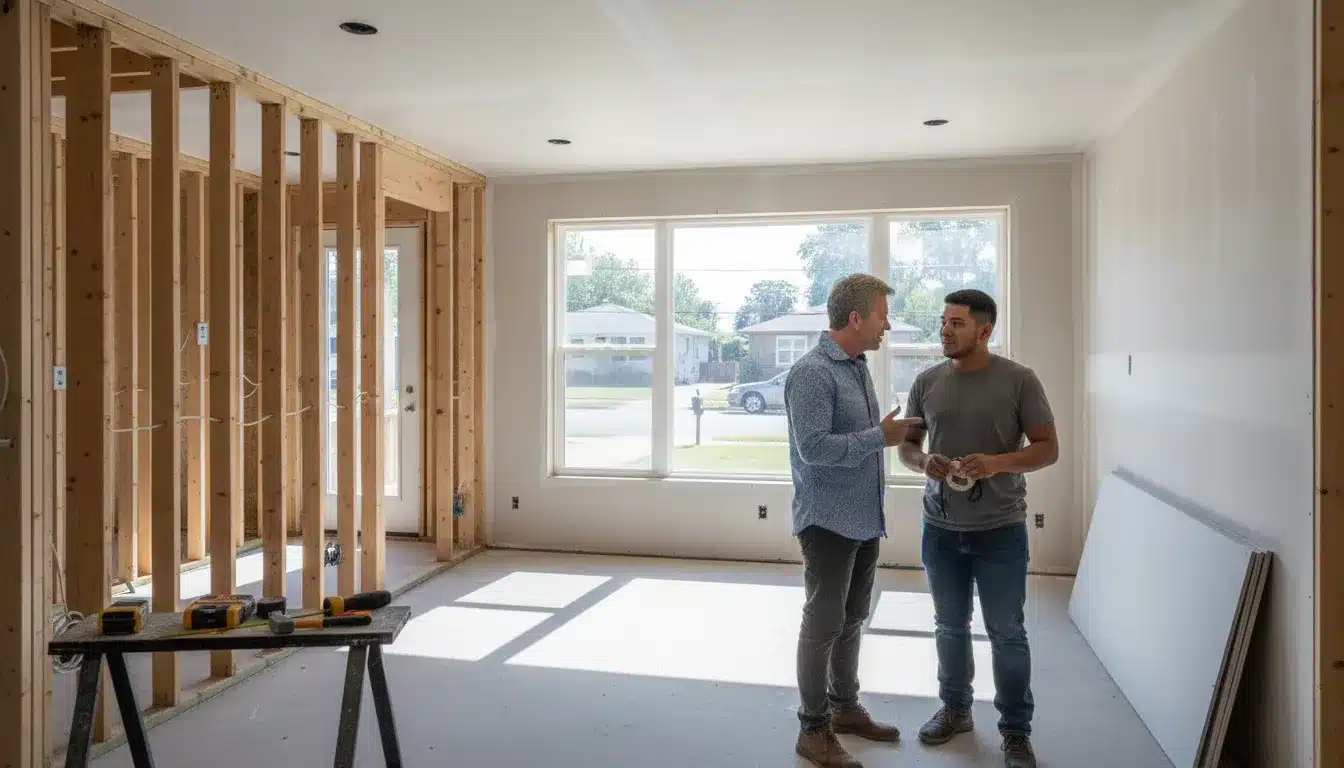
House flipping project management is the system for turning an approved rehab plan into a controlled, sale-ready project. It connects scope, budget, schedule, contractors, inspections, quality checks, carrying costs, and the final listing handoff so decisions are documented before small issues become expensive delays.
A flip rarely gets difficult because one task is impossible. Problems usually start when the scope is unclear, a material is not ready, a change is handled informally, or no one owns the next decision. A practical process gives you checkpoints from the first walkthrough through the final punch list, while keeping the numbers aligned with the strategy and the applicable agreement.
Get the Partner Driven partner proposal
Before coordinating trades or adjusting a timeline, define what this responsibility includes and where each control belongs. That foundation makes the rehab easier to manage and gives every participant a clearer standard for execution.
What Does House Flipping Project Management Include?
House flipping project management is the operating system that keeps a rehab moving from approved scope to finished property. It connects the decisions that are easy to treat separately: what work is included, how much it should cost, who owns each task, when dependencies must be resolved, how quality is checked, and what must be ready for listing or disposition. The goal is not simply to keep a calendar. It is to make the next decision using current information instead of assumptions.
Scope, money, and schedule control
A project manager turns the property evaluation and renovation plan into a working scope. That means identifying the required work, separating must-haves from optional upgrades, assigning responsibility, and tracking changes before they affect the budget. The same system monitors committed costs, remaining funds, material readiness, inspections, and the sequence of trades. If one delayed task affects several others, the issue should be visible early enough to make a deliberate adjustment.
People, quality, and documentation
Management also provides a communication structure for contractors, inspectors, attorneys, title professionals, and the partner. Written scopes, progress updates, site observations, photos, invoices, approvals, and punch-list items create a record of what was decided and what remains open. Generic project software may store tasks, but it does not evaluate whether the rehab scope makes sense, confirm that a change protects the deal, or replace experienced judgment. Funding is different as well. Capital pays for approved work; project management controls how that work is planned, coordinated, documented, and completed.
Where partnership support fits
Partner Driven describes its support as combining coaching, deal evaluation, funding for approved deals, and rehab execution or project-management support. Its stated transaction support includes paperwork, contracts, inspections, attorney coordination, and title work, while coaching can cover property evaluation and inspection tips. For investors considering house flipping guidance and support, that distinction matters: support is tied to evaluated and approved partnership deals and the applicable written agreement. Not a promise that every deal will be funded or profitable.
How Do You Define the Rehab Scope Before Work Starts?
A clear rehab scope turns a property walkthrough into an executable plan. It gives the owner, contractors, and project manager the same reference point before materials are ordered or demolition begins. The goal is not to specify every finish on the first visit. It is to identify the work, sequence the decisions, and document what is included.
Build the scope from observed conditions
- Inspect and document the existing conditions. Walk every room, exterior elevation, attic, basement, and major system. Photograph defects, record dimensions where useful, and note visible concerns with structure, wiring, plumbing, ductwork, HVAC equipment, moisture, and safety. Separate confirmed conditions from items that need a specialist inspection.
- Separate must-do work from elective finishes. Put safety, water control, structural repairs, functional systems, and code-related work in the base scope. Then list cosmetic upgrades, finish-level choices, and improvements that can be approved only if the numbers continue to make sense. This prevents a design preference from quietly becoming a required cost.
- Identify dependencies and decision points. Show what must happen first. For example, a wall decision may affect wiring, plumbing, insulation, drywall, and paint. Note long-lead materials, inspection gates, and selections that could hold up the next trade. Assign an owner and a due date for unresolved decisions.
- Confirm permit and licensing questions with the local authority. Permit triggers vary by city and county and can change over time. As a local example, Grand Rapids says renovations that add or modify walls, wiring, piping, ductwork, or HVAC equipment often need permits, and its guidance addresses structural and electrical work specifically. That is local guidance, not nationwide law. Ask the applicable building or inspection office what permits, inspections, licensed professionals, and documents your project requires. Grand Rapids also cautions that its guidance may not apply to every situation, so do not substitute a website summary for local confirmation. Review the Grand Rapids permit overview as a local example, then verify requirements where the property is located.
- Freeze the scope baseline. Convert the agreed work into a written scope with quantities, allowances, finish selections, exclusions, responsible parties, and approval rules. Date the baseline and distribute it to everyone using it to price, schedule, or inspect the rehab. Later changes should be documented as changes, not silently absorbed into the original plan.
Keep local uncertainty visible
A permit question left unresolved is a project risk, not a minor administrative detail. Missing approvals can create rework, fines, safety concerns, or complications during a later sale. Good house flipping project management keeps the local authority’s answer, supporting documents, and inspection requirements in the project file before work moves past the relevant decision point.
On an evaluated, approved partnership deal, this type of scope control can support the broader rehab execution and project-management process. It does not replace professional inspections, contractor judgment, or the requirements of the authority having jurisdiction.
How Do You Build a Flip Budget That Holds Up?
Turn the estimate into a live control system
A flip budget is not a document you finish before demolition and forget. It is a working control system that connects the approved scope, contractor commitments, invoices, schedule, and remaining cash needs. Start with a baseline for each work package, then update the forecast when a bid changes, a material is substituted, an inspection creates new work, or the schedule moves.
This is where house flipping project management differs from simply creating an estimate. A detailed renovation budget for house flipping can help you build the initial numbers. Lifecycle management keeps asking whether the current plan still fits the deal and whether each dollar is supported by a scope item or documented decision.
Control the buckets that move the outcome
Budget control buckets for a house flip
| Cost bucket | Control question | Evidence to keep |
|---|---|---|
| Labor and materials | Does the committed work match the approved scope, quantities, and sequence? | Written bids, selections, contracts, invoices, and change-order records |
| Permits and inspections | Have local requirements, application steps, fees, and inspection dependencies been checked? | Permit applications, fee information, approvals, inspection results, and correction notices |
| Contingency and changes | Is reserve capacity being protected for concealed conditions rather than absorbed by upgrades? | Photos, field notes, written approvals, revised forecasts, and updated remaining-balance reports |
| Carrying costs | How does a delayed milestone affect the ongoing cost of holding the property? | Schedule updates, payment records, insurance and utility records, and revised completion forecasts |
Make documentation part of the budget
Permits and inspections belong in the financial review because missed requirements can create rework or fines. Grand Rapids guidance, for example, warns that unpermitted work may require undoing or redoing completed work. That is a local government example, not a universal rule, so confirm requirements with the relevant building office. Permit fee estimates can also vary by project circumstances, as Brevard County notes in its residential renovation guidance.
Review the budget at a consistent decision point, such as before approving a change, releasing the next work package, or committing to a revised completion date. For an approved partnership deal, Partner Driven describes support that can include rehab execution and project management, with funding for purchase, rehab, closing, and carrying costs subject to approval and the applicable written agreement. The practical goal remains the same: know what has been spent, what is committed, what remains, and what decision protects the project next.
How Do You Coordinate Contractors and the Rehab Schedule?
Contractor coordination is where a rehab plan becomes a sequence of decisions. The goal is not simply to keep people busy. It is to make sure each trade owns a defined scope, receives the materials and access it needs, and finishes work in the order that protects the next activity.
Compare bids against the same scope
Before choosing a contractor, give each bidder the same written scope, finish standards, quantities, and assumptions. Then compare contractor bids and estimates by looking beyond the total. Check what is included, excluded, carried as an allowance, or assigned to a subcontractor. Ask who pulls permits, who schedules inspections, and who is responsible for correcting work that does not match the agreed scope.
Keep scope ownership visible. A simple responsibility list can identify the general contractor, each trade, the investor, and the person approving changes. Licensing and permit responsibilities depend on the jurisdiction and the work. For example, Grand Rapids says landlords generally need a licensed and registered contractor to obtain permits for rental properties. Brevard County states that professionals may obtain permits only for work within their license type, and some applications require subcontractor identification. Those are local examples, not nationwide rules. Check the applicable building office before work begins.
Sequence dependencies and material readiness
Build the schedule around dependencies rather than preferred dates. Demolition may need to happen before framing, rough plumbing, or electrical work. Rough inspections may need to occur before walls are closed. Cabinets, windows, fixtures, and other long-lead materials should be ordered early enough to avoid stopping a crew that is ready to work.
Permit administration can also affect the sequence. In Brevard County, registered contractors can submit documents, monitor applications, schedule inspections, and pay fees online. The county also notes that some projects require subcontractor authorization. Use your local process as the controlling source, and keep permit numbers, approvals, inspection results, and pending items in the project file.
Use a regular update and escalation rhythm
Set a consistent update cadence with photos, completed work, next steps, open decisions, material status, and schedule risks. Compare each update with the baseline scope and schedule. If work diverges, document the issue before authorizing a change. Record the reason, revised cost, schedule effect, and approval in writing. Escalate immediately when a safety concern, failed inspection, missing permit, hidden condition, or repeated missed dependency could affect later trades or carrying costs.
Good documentation makes the next decision easier. Partner Driven describes transaction support that includes paperwork, contracts, inspections, attorney coordination, and title work. That support is part of an evaluated partnership process, not a promise that every project receives approval or a guaranteed result.
How Do You Manage Inspections, Change Orders, and Quality?
Good house flipping project management treats quality as a series of documented decisions, not a final visual check. Set inspection gates before work is covered, require written approval for scope changes, and keep enough evidence for another person to understand what happened at the property.
Use inspection gates before work disappears
Build inspections into the schedule at points where defects would become expensive to correct. Depending on the scope, that may include framing, electrical, plumbing, HVAC, waterproofing, or work that will soon be concealed by drywall or finishes. At each gate, compare the work with the approved scope, photograph relevant details, record open issues, and identify the person responsible for correction.
Permit rules are local. The North Carolina Real Estate Commission guidance notes that requirements for renovations and repairs can differ by county or city and can change over time. Confirm requirements with the applicable building inspection office instead of assuming a prior project followed the same process. In Grand Rapids, Michigan, the city’s renovation permit overview explains that work involving structural changes, wiring, piping, ductwork, or HVAC equipment may require permits. These are jurisdiction-specific examples, not nationwide rules.
Control changes with written decisions
When a contractor finds hidden damage or proposes an upgrade, pause before authorizing the work. A change order should describe the added or removed work, the reason, the price impact, any schedule impact, and who approved it. Update the working budget and scope record immediately. Verbal approvals and vague text messages make it difficult to explain why costs changed or whether the completed work matches the deal plan.
Close the job with evidence, not assumptions
Maintain a simple project file with dated progress photos, invoices, permit documents, inspection results, approved change orders, and a punch list. Walk the property against that list, assign each correction, and verify completion with a follow-up photo or invoice. The goal is not paperwork for its own sake. Grand Rapids warns that missing permits or inspections can create safety and code problems, while permit and inspection records may become relevant during a sale.
North Carolina guidance also recommends reviewing renovation history and obtaining vendor invoices showing what work was done, when, and by whom. It further states that a Certificate of Occupancy confirms required permits, inspections, and code compliance in the circumstances covered by that guidance. Preserve those records and ask the local authority and qualified professionals what applies to your project.
For evaluated partnership deals, Partner Driven describes support that can include inspections, paperwork, and rehab execution. That support remains subject to deal approval and the applicable written agreement.
How Do Carrying Costs Change Rehab Decisions?
Time is part of the rehab budget, even when no new line item appears on the contractor’s estimate. A delayed permit, missing material, failed inspection, rework, or idle crew can push the project past its planned sequence. That can increase the period in which the property needs oversight and carrying-cost funding. The practical goal is not to rush work. It is to identify schedule risk early enough to make a sound decision.
Track the causes of delay, not just the calendar
Build the schedule around dependencies. Confirm that permits, selections, materials, inspections, and trade availability are ready before a crew is expected to start. If one task slips, record the cause, the affected tasks, the revised next milestone, and the decision owner. A short material gap may call for resequencing. A permit issue may require pausing related work until the local authority provides direction. Continuing without the required approvals can create safety, compliance, and rework problems. Permit requirements vary by location and project circumstances, so confirm them with the relevant building office.
Use a consistent monitoring cadence
At each project check-in, review completed work, open blockers, upcoming dependencies, committed costs, change orders, inspection status, and the path to the next milestone. Use dated photos, invoices, and written updates so the budget conversation is based on evidence rather than memory. Escalate when a delay affects another trade, changes the approved scope, or could alter the disposition plan. This is the heart of house flipping project management: making the next decision while options remain available.
Protect the handoff before the finish line
As work nears completion, begin assembling permits, inspection records, invoices, warranties, and the punch list instead of waiting for the final day. For approved deals, Partner Driven describes support that can include rehab execution and project management, as well as funding for carrying costs under the applicable written agreement. That support does not remove the need for project-specific review. A controlled closeout leaves the property, records, and listing or disposition team ready for the next stage.
What Belongs in the Listing or Disposition Handoff?
A rehab is not ready for listing or disposition simply because the visible work looks finished. The handoff should give the next team a clear record of what was approved, completed, inspected, paid for, and disclosed. That documentation helps the listing team describe the property accurately and gives the disposition team fewer unanswered questions.
Close the scope and inspection loop
Start with the final scope and walk the property against it. Confirm that agreed repairs are complete, approved changes are documented, and every punch-list item has an owner and a closeout date. Collect permit applications, inspection results, final approvals, and a Certificate of Occupancy when the local authority issues one. Do not assume permit rules transfer from one market to another. Requirements can vary by county or municipality and may change over time.
For example, the North Carolina Real Estate Commission explains that a Certificate of Occupancy confirms required permits, inspections, and code compliance. That is North Carolina guidance, not universal law. Check the applicable building office for the property’s jurisdiction.
Assemble the property record
Keep copies of contractor invoices, receipts, warranties, product manuals, before-and-after photos, and written change orders when available. Invoices can help show what work was performed, when it occurred, and who performed it. Include relevant appliance or system information so the listing or disposition team can answer practical buyer questions without reconstructing the project from memory.
The North Carolina guidance also recommends reviewing renovation, addition, and repair history for flipped properties and making a good-faith effort to obtain vendor invoices. If required permits or licensed professionals were not used, that issue may be a material fact requiring disclosure under that guidance. Coordinate with the broker, attorney, and other appropriate professionals rather than deciding disclosure questions informally.
Brief the listing or disposition team
Provide one organized handoff package, identify unresolved items, and schedule a short review with the people responsible for marketing and sale. In a supported partnership, transaction support may include paperwork, inspections, attorney coordination, and title work. But responsibilities still need to be confirmed for the specific approved deal and written agreement.
Get the Partner Driven partner proposal if you are assessing whether hands-on execution support fits your goals. No pressure, and no expectation that you have everything figured out.
Frequently Asked Questions
What does a project manager do in real estate?
A real estate project manager coordinates the work needed to move a property from approved scope to completed rehab and listing or disposition. That includes tracking contractors, materials, inspections, documents, schedule dependencies, quality checks, change orders, and decisions that affect the budget or carrying costs.
How do you control a house flipping rehab?
Start with a written scope, room-by-room budget, realistic sequence of work, and clear responsibility for each task. Require written approval for scope changes, keep invoices and progress photos, inspect work at defined gates, and maintain a punch list before the property moves to listing or disposition.
How much does a real estate project manager cost?
There is no universal price. The cost depends on the project’s size, location, complexity, management responsibilities, and whether coordination is billed as a fixed fee, percentage, hourly work, or part of a broader partnership arrangement. Compare the proposed responsibilities and documentation, not just the fee.
When should inspections happen during a flip?
Plan inspections around local requirements and construction milestones, not only at the end. Confirm which permits and inspections apply before work starts, schedule required checks before covering work, document corrections, and retain approvals with the project records for the eventual listing or disposition handoff.
Ready to Discuss Your Flip Project?
If you need practical support with rehab execution, budget control, contractor coordination, or the listing handoff, a conversation can help you identify the right next step for your deal. Get the Partner Driven partner proposal and share what you are working through. There is no pressure, and every deal is evaluated individually. Approval is not guaranteed.